CHILD WELFARE-CENTERED INITIATIVES
Four key programs are strengthening Virginia children and families
Spelling out the challenges of Virginia’s child welfare system – more than 5,500 children in foster care in April 2025, as well as high caseloads, staff turnover and burnout – can feel like a daunting exercise.
But clear-eyed evaluations and solutions-driven initiatives from Virginia Commonwealth University’s School of Social Work are meeting the moment through four key programs:
- Title IV-E Child Welfare Stipend Program (CWSP)
- Consortium for Resource Adoptive and Foster Family Training (CRAFFT)
- Mutual Family Assessment (MFA)
- Child Welfare and Addiction Fellowship (CWAF)
While the acronyms may look, at first glance, like an unsolvable combination of the New York Times Spelling Bee and a short-on-vowels Wheel of Fortune puzzle, the abbreviations are shorthand for programs that are long on excellence; they represent the school’s commitment to empowering strong, resilient children and families in the commonwealth.
“I believe the programs provide agencies with a strong foundation for their workforce,” says Kristen Van de Riet (M.S.W.’09), a CWSP alum and CWAF clinical supervisor. “In a field often marked by high turnover and burnout, the specialized training and education offered by the CWSP prepares emerging workers to effectively manage the challenges they will encounter in this profession. The CWAF aims to continue building and nurturing this foundation through additional training and support, with the goal of not only enhancing the skills of the program participants but also making a lasting impact on the families they serve.”
The Virginia Department of Social Services (VDSS) sponsors the first three programs, and a National Institutes of Health grant funds the fourth.
Collectively, the programs strengthen the child welfare workforce and system; deliver high-quality training and support to resource families working in the system; provide assessments of family-based placements; and facilitate enhanced education, training and supervision for child welfare professionals around alcohol and/or substance use disorder.
A steady pipeline of well qualified professionals entering the profession across Virginia helps balance caseloads, reducing turnover and burnout. Children are supported with better prepared placement families and with increased options for kin-first placements.
“I was a stipend student placed with Henrico County DSS my second year of graduate school and am now the director,” says Gretchen Brown (M.S.W.’94), another CWSP alum. “So many of our stipend students accept permanent positions with us, and we see better quality work from stipend students who are able to more quickly identify needs and connect people with appropriate services and supports. Additionally, I believe that the stipend promotes and values a very specific career path and retention in the workforce.”
CWSP: Workforce multiplier
The Child Welfare Stipend Program’s funding, $10,000 per student per year, is viewed more as compensation for an in-depth regimen to forge dedicated future child welfare workers than as a purely financial motivator. The program focuses on identifying and cultivating practitioners who can infuse their education, training and passion for service into local Department of Social Services (LDSS) offices statewide. Supported through the federal Title IV-E program, via Virginia DSS, the CWSP is one of five in the state, and is open to both master’s students and undergraduate seniors. There is a post-graduation work requirement with a local DSS agency, a year for each year in the CWSP.
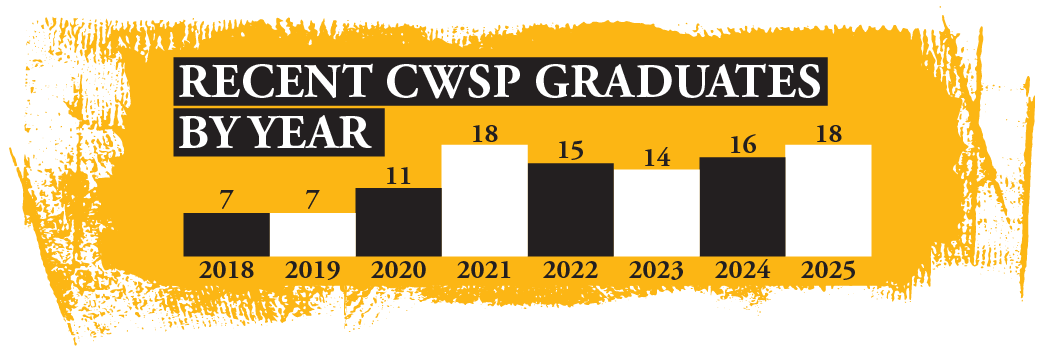
An earlier iteration of the CWSP at VCU was active in the 1990s and early 2000s, with funds to support cohorts of 24-32 students each year. Resurrected in 2017 with a small cohort, student stipends at VCU have gradually returned to close to their original levels (up to 29 funded participants annually), and the program has produced 106 graduates between 2018 and 2025.
“We see firsthand how crucial our university-state partnerships are in tackling the challenges within child welfare,” says Naomi Reddish, the school’s administrator for Child Welfare Initiatives. "When we talk about issues like high caseloads and staff turnover, it underscores the vital role of these initiatives. We're proactively addressing the need for a robust, highly skilled and sustainable workforce.”
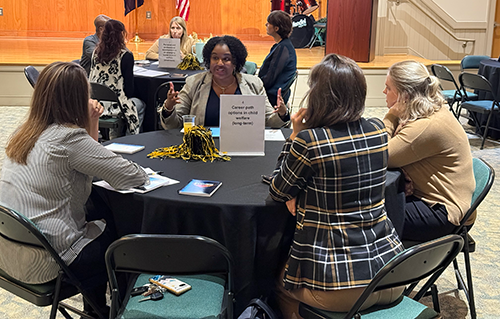
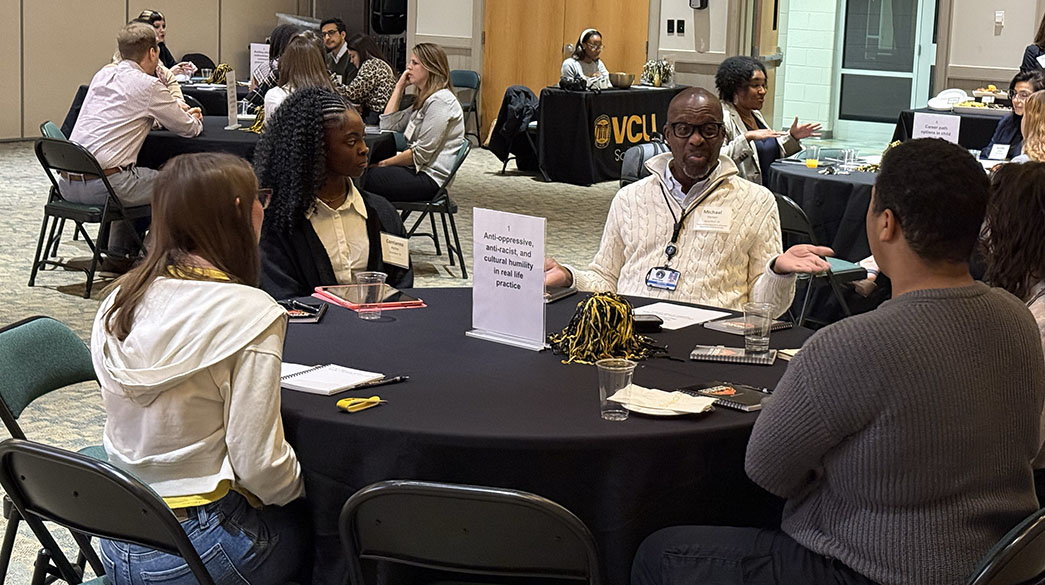
Stipend students’ field placements are with local DSS agencies, and they receive training through professional state resources, as well as child welfare-focused coursework, skills workshops (Evidence-Based Practices, Motivational Interviewing), mentoring opportunities with alumni, employment support and a strong support network of cohort peers, VCU administrators and professionals.
In 2025, there were approximately 200 vacancies across 120 local DSS agencies.
“By investing in our emerging social work professionals, we're empowering them to build the skills to manage demanding caseloads more effectively,” Reddish says. “This allows them to focus on more impactful engagement with families, an approach that builds a foundation for greater job satisfaction and reduces burnout, and that promotes a thriving workforce.”
Current child welfare workers are also eligible for the CWSP as they pursue their B.S.W. and/or M.S.W. degrees, elevating professional development opportunities. A 2025 study (Castañeda & Han) found that supporting employees’ academic pursuits results in “workers who are more committed” and “better outcomes for children and families.”
In-home/family preservation services: For children and families at risk of abuse or neglect, or who are in crisis. Target resources and services that prevent entry into foster care and help children remain safely in their homes or with relative/kin caregivers. Most children in the child welfare system receive services while living at home.
Foster care: Temporary, court-monitored service provided by states to promote safety, permanency and well-being of children and youth. Foster care settings vary; the preferred option is placement with relatives, also known as kinship care. When placement with family is not an option, children and youth may live with nonrelative caregivers.
Adoption: One of several permanency options. Provides an opportunity to connect children who have been permanently and legally separated from their birth parents with a permanent family and maintain connections to their birth family, culture and community.
CRAFFT: Tailored, trauma-informed training
VCU has administered the Consortium for Resource Adoptive and Foster Family Training, another VDSS initiative, for the Central and Northern regions for more than 20 years. It equips resource families – whether kinship (relatives), foster or adoptive – with training and support to ensure stable and nurturing homes for children and youth in the child welfare system. Trainings with families are competency-based and trauma-informed, and the program also works to build capacity for local DSS agencies to lead direct training and assessment of families.
Resource family training also prepares relatives for the role of kinship care parenting, and includes information about child behavior, navigating family relationships and working collaboratively with professionals. Challenges for local DSS include the work to identify, license, train and support kinship families, especially because these types of placements often are unplanned and happen with short notice.
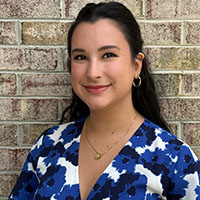
“Rather than immediately placing a child with a locally approved foster family that has no connection to the child/ren, departments of social services are encouraged to work with relatives to minimize disruption when a child enters foster care,” says Daniela Sanzetenea, the school’s Child Welfare Stipend coordinator. “This directly aligns with the Virginia Children’s Services System Practice Model (‘We believe that children do best when raised in families.’). Placing a child with a known caregiver has demonstrated an easier adjustment to foster care and at times can increase parent engagement, as their voice can drive family-finding efforts and placement decisions.”
The CRAFFT team is also:
- Implementing the National Training and Development Curriculum, a trauma-informed approach.
- Using virtual training to expand reach and accessibility, which includes interpretation services to reach non-English speakers.
- Offering in-service training for families to provide ongoing support.
- Implementing contract trainers by region who can provide tailored training that best aligns with local environments.
MFA: Evaluating for success
VCU began administering the Mutual Family Assessment supervision for the Piedmont and Western regions and portions of the Central region in 2023. MFA, the third VDSS-funded program, operates under CRAFFT specifically to ensure a rigorous and ongoing system to evaluate kinship, foster and adoptive families. Primary objectives are to increase and assess the pool of family-based placements and to ensure appropriate matching of children and families across all placement types.
“The MFA program promotes the safety, permanency and well-being of Virginia children,” Reddish says. “It aims to minimize the trauma children experience when entering foster care, to support reunification efforts where possible and to foster lifelong connections for children. This ultimately leads to better and safer outcomes for children and families.”
CWAF: Specialized professional development
Funded by a National Institutes of Health grant, the Child Welfare and Addiction Fellowship began in 2023, providing eligible CWSP alumni working as child welfare professionals statewide with enhanced alcohol and/or other substance use disorder (AOSUD) education, training and supervision.
Currently instructing its third cohort, the specialized two-year training program aims to improve knowledge and skills in screening and identifying AOSUDs among child welfare-involved caregivers; in case planning; and in referring to effective treatments and interventions.
“With up to 68% of child welfare cases involving a caregiver with an AOSUD and child welfare professionals making life-altering decisions about the children in their care, social workers employed in child welfare agencies are a critical target for AOSUD education,” says Karen Chartier, Ph.D., who is a co-principal investigator of the project and a professor in the school.
The virtual training is composed of three parts: weekly clinical group supervision, monthly de-identified case consultations and quarterly foundational workshops. The project team includes three faculty, a staff member and Ph.D. student from the School of Social Work, a former school administrator and a Richmond-based alum.
Changing trends + future forecast
Self-assessment is an important function for all programs to continue providing quality services in the future. The School of Social Work is conducting a longitudinal evaluation with CWSP alumni who graduated in 2017 or later to explore the impact of participation in the program on child welfare workforce recruitment and retention; a program evaluation of CRAFFT and MFA is in the data collection stage.
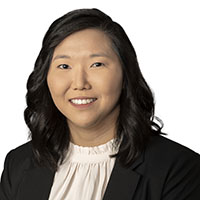
“We are curious if our alumni tend to remain in agencies, move between agencies or leave local child welfare practice,” says alum Camie Tomlinson (Ph.D.’23) of the University of Louisville, who began program assessment as a doctoral student and continues the work as affiliate faculty. ”We are also curious whether alumni who leave local DSS employment go on to work with children/families in a different capacity.”
The focus on trauma-informed care, kin-first placements and support for non-English-speaking clients represent progress for systems that are viewed as having been historically reactive. Peer support and community-building are common themes across CWSP students (and graduates) and CRAFFT/MFA families that train together. Other trends and continuing goals:
- Expanding field placement opportunities in rural communities by providing external field instruction for agencies that do not have the internal supervision capacity.
- Increasing support for students with lived experiences in the child welfare system.
- Creating pathways for professional development of child welfare workers to pursue social work degrees and enhance their training.
- Providing opportunities for degree-seeking child welfare professionals to complete field placements at the agencies that employ them.
- Applying for funds to continue the Child Welfare and Addiction Fellowship program.
- Leaning into the expertise of a CWSP advisory committee of child welfare professionals to ensure relevant focus and learning in a rapidly changing workforce.
- Emphasizing the importance of self-care, setting boundaries and maintaining the well-being of workers.
“I have been individually motivated by the fast pace of the work environment, where every day is different and where I am able to use my core social work skills every day to help resolve issues with people in our community,” says Brown, the Henrico DSS director. “I am also very motivated to be able to use my 31+ years of experience to educate and support both leaders and line workers. Not only do I learn something new every day, but every day I have the ability to have an impact on someone else. I am also reminded regularly that it is a privilege to have the opportunity to work in service to others – to hear and value someone else’s lived experience and be able to navigate a different trajectory alongside them.”
Child Welfare and Addiction Fellowship team
Karen Chartier, Ph.D., M.S.W.
- Co-Prinicipal Investigator & Evaluation Lead
- Professor, School of Social Work
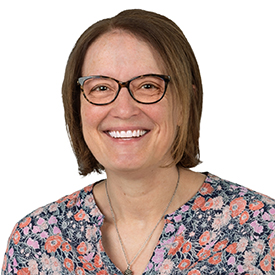
Larkin Francis, Ph.D., M.S.W.
- Case Consultation Lead & Evaluator
- Assistant Professor, School of Social Work
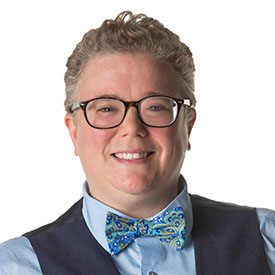
Naomi Reddish, M.S.W.
- CWSP Partnership Coordinator
- Administrator of Child Welfare Initiatives & Assistant Professor, School of Social Work

Amanda Long, M.S.W.
- Project Coordinator & Participant Engagement Lead
- Coordinator of Child Welfare Initiatives, School of Social Work
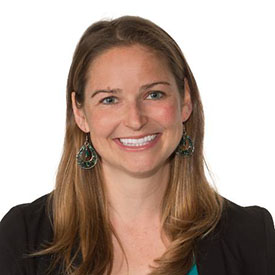
Rebecca Gomez, Ph.D.
- Co-Prinicipal Investigator
- University of Texas; Affiliate Faculty
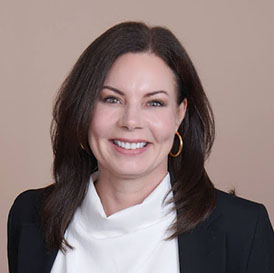
Katie Kim, LMSW
- Evaluation Team Member
- Ph.D. Candidate, School of Social Work
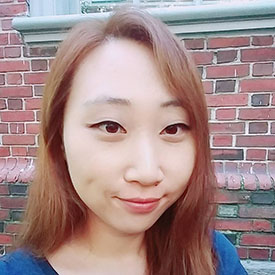
Kristen Van de Riet, LCSW
- Clinical Supervisor & Workshop Lead
- Chesterfield-Colonial Heights (Va.) County Government